

Radiology and Artificial Intelligence
Radiology Artificial Intelligence (AI) is the general term for technologies that use computer algorithms to analyze medical images (X-rays, CT scans, MRIs, mammograms, ultrasounds, etc.) to support diagnosis, preliminary diagnosis, and clinical decision-making processes.
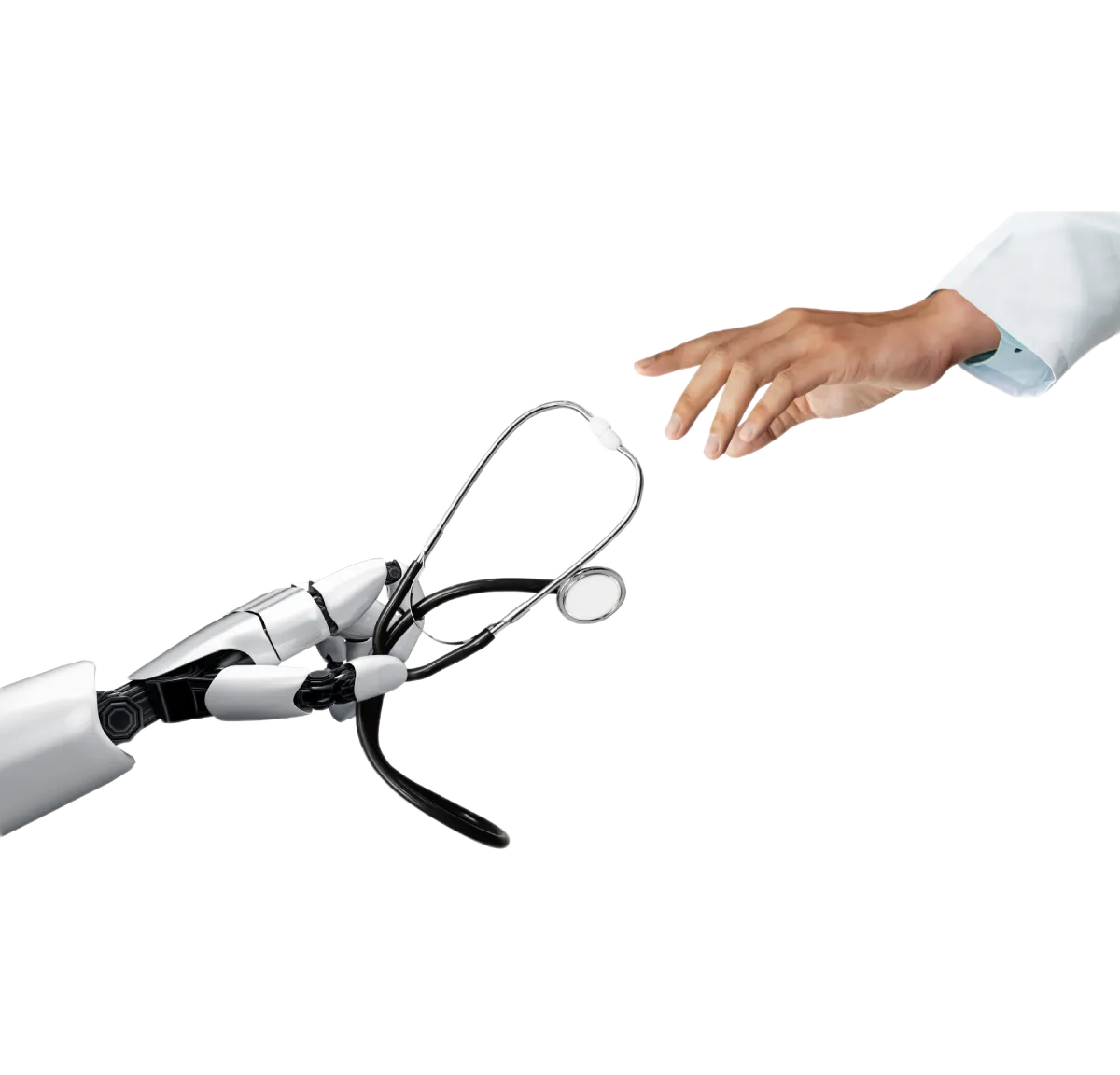
Radiology Artificial Intelligence
Image Analysis and Diagnostic Support: AI can detect abnormalities (such as tumors, hemorrhages, lesions, fractures, etc.) by analyzing images from modalities like CT, MRI, mammography, PET, and ultrasound. Deep learning models are particularly successful in image recognition. In emergency cases (such as brain hemorrhage or pulmonary embolism), images can be prioritized. This allows radiologists to evaluate critical patients first.
Features
- AI in radiology is a powerful tool that combines the radiologist’s expertise with technology.
- When used correctly, it improves diagnostic quality, enables efficient use of time, and contributes to patient safety.
In Which Patients Is It Used?
Artificial intelligence in radiology is used to diagnose and monitor a wide range of conditions affecting the brain, lungs, cardiovascular system, bones and joints, and abdominal organs. It enables rapid and accurate assessment of neurological conditions such as stroke, brain hemorrhage, tumors, and head trauma.